About the Wild4Life

Wild4Life Health operates under the auspices of Pangaea Zimbabwe (PZ) and is dedicated to addressing critical health service access issues faced by vulnerable populations in the Binga, Hwange, and Lupane districts since 2009. The project aims to transform the lives of underserved communities by enhancing access to quality, responsive, evidence-based, person and people-centred comprehensive health services. The approach emphasizes collaboration through facility and community engagement, coupled with robust policy advocacy, to ensure sustainable health improvements in the targeted areas. This initiative aims to tackle the challenges and barriers that hinder access to primary health services in underserved rural communities. 
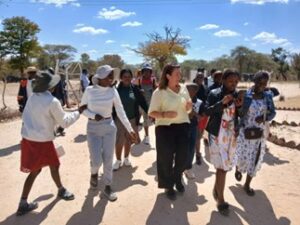
The program contributes to Primary Healthcare (PHC) and Universal Health Coverage (UHC) by promoting equitable, accessible and integrated health services. It also supports the Sustainable Development Goals, particularly SDG 3 (Good Health and Well-being), SDG 5 (Gender Equality), SDG 13 (Climate Action) and SDG 17 (Partnerships for the Goals). 
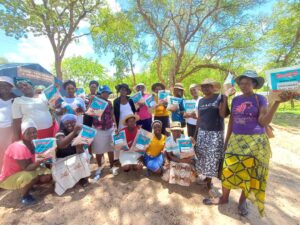
Wild4Life uses routine programme monitoring, quarterly data quality assessments, digital health tools and community feedback to track service delivery, identify gaps and improve healthcare quality. Regular review meetings and supportive supervision strengthen evidence-based decision-making and continuous learning across supported health facilities.Through the Wild4Life programme, PZ worked with the MoHCC, local authorities and communities in Binga and Lupane to strengthen climate-resilient health systems under the project “Strengthening resilient local health systems for climate impact adaptation in Binga and Lupane Districts”, funded through the SANOFI Foundation.
Focus Area

The programme enhances access to high-quality, comprehensive primary healthcare through six interconnected intervention areas that strengthen health systems, improve service delivery, and promote community ownership of health services. By combining workforce development, governance strengthening, quality improvement, community engagement, service delivery innovations, and the integration of emerging health priorities, the programme supports health facilities and communities to deliver responsive, people-centred care. This holistic approach ensures that healthcare services are not only accessible and effective but also sustainable and aligned with local needs and priorities.

  • +

    Village Healthcare Workers Trained

  • K+

    People sensitized on Climate Change

  • K+

    People reached through Community Health Education Sessions

  • %

    Reach in Primary Health Care service delivery

Implementation focuses on building the capacity of healthcare workers, village health workers, and district health teams through mentorship, supportive supervision, and continuous professional development. The programme strengthens health governance and accountability by supporting District Health Executives and Health Centre Committees to improve leadership, community participation, and data-driven decision-making. Quality of care is enhanced through data quality assessments, continuous quality improvement initiatives, and the use of digital health solutions to strengthen health information systems. At the community level, engagement activities promote social accountability, gender-transformative approaches, and health-seeking behaviours through dialogues, campaigns, and community-led action. The programme also expands access to services through integrated outreach, differentiated service delivery models, and partnerships that reach underserved populations. In addition, emerging health priorities such as non-communicable diseases, mental health, neglected tropical diseases, and climate-related health challenges are integrated into programming to build more resilient health systems and healthier communities.