CATALYST Study
About the CATALYST Study
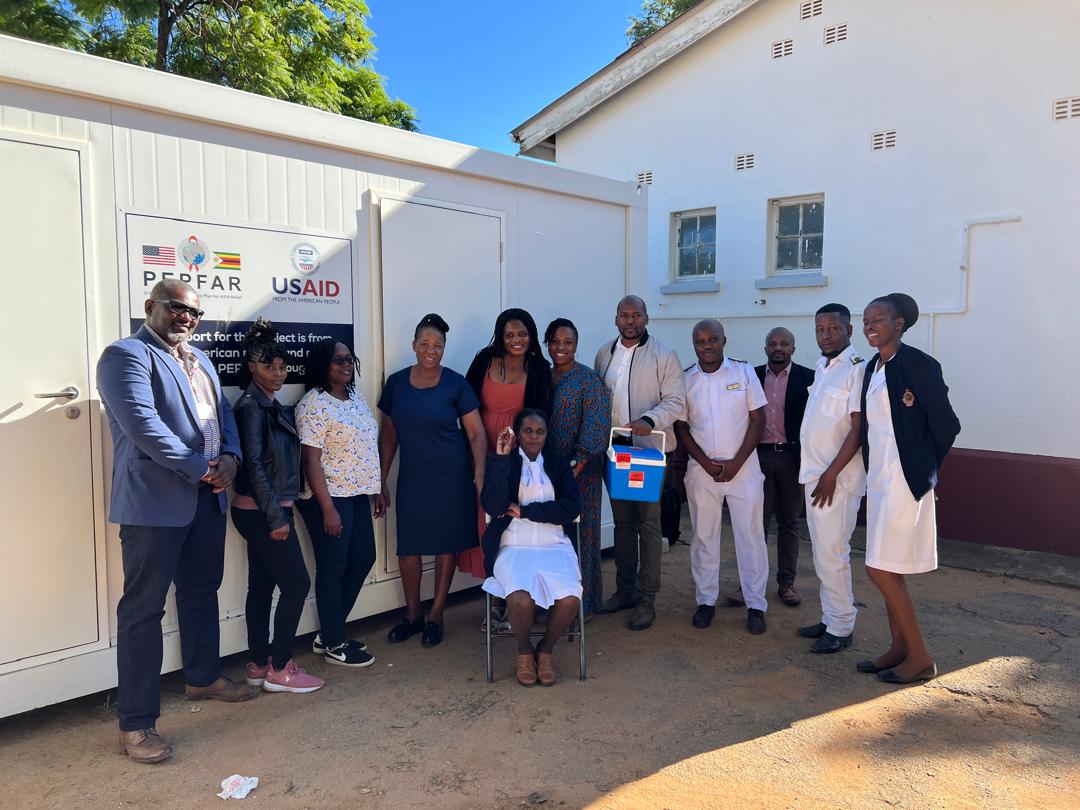
Catalyzing access to new prevention products to stop HIV was a U.S. Agency for International Development (USAID) through PEPFAR funded study. The purpose was to characterize and assess the implementation of an enhanced service delivery package that provided women with a choice of HIV prevention methods, and to refine a core, scalable PrEP service delivery model using quality improvement approaches. The study aimed to strengthen person-centered HIV prevention programming by ensuring that women can choose the method that best fits their lives.
Design
The CATALYST was an implementation research study conducted at PEPFAR-supported delivery sites. The study evaluated an enhanced PrEP service delivery package offering multiple biomedical HIV prevention options. Stage I focused on introducing oral PrEP and the PrEP ring, while collecting service delivery data to assess uptake and client experience. Stage II expanded method choice to include long-acting injectable CAB PrEP, further strengthening differentiated prevention options for women. Quality improvement methods are continuously applied to refine service delivery components and identify a core package that can be adapted for scale up.
Study Objectives
The study assessed the uptake, continuation, and client experience of multiple PrEP methods within routine service delivery settings while evaluating the feasibility and effectiveness of an enhanced, choice-based PrEP delivery model. It also applied quality improvement approaches to refine implementation strategies and define a scalable core service package, with a strong emphasis on strengthening women's autonomy through informed choice in HIV prevention programming.
Study Duration and Sites
The study was implemented in two phases, with Stage I running from June 2023 to March 2024 and Stage II from April 2024 to December 2025, across four sites in Zimbabwe: the SHAZ Hub Youth Drop-In Centre at CitiMed Hospital in Chitungwiza, Runyararo Clinic and Ngundu Rural Health Centre in Masvingo, Plumtree District Hospital in Plumtree, and Beitbridge Wellness Centre in Beitbridge.
Study Outcomes
A key outcome of the study was an improved understanding of women's preferences and patterns of engagement with different PrEP methods when provided with a choice of prevention options. The findings generated evidence to inform national and global PrEP introduction strategies, identified optimized service delivery components for scaling up access to multiple PrEP methods, and supported the enhanced integration of both long acting and daily HIV prevention options within routine health systems.