+263867717502
Requesting a Call:
info@pangaeazw.org
E-mail us
58 Broadlands Road
Emerald Hill, Harare

CASPR
- Pangaea Zimbabwe
- CASPR
Purpose
The CASPR project was focused on advocacy for biomedical HIV interventions in the pipeline from research to rollout and brought together experienced partners committed to a collaborative movement for responsive HIV prevention research. CASPR activities fell into three major pillars of activities – advocacy and policy, research preparedness, and research translation. This project was USAID-funded, supported through a partnership led by AVAC, with contributions from various Africa-based partners.
HIV Prevention Workstream
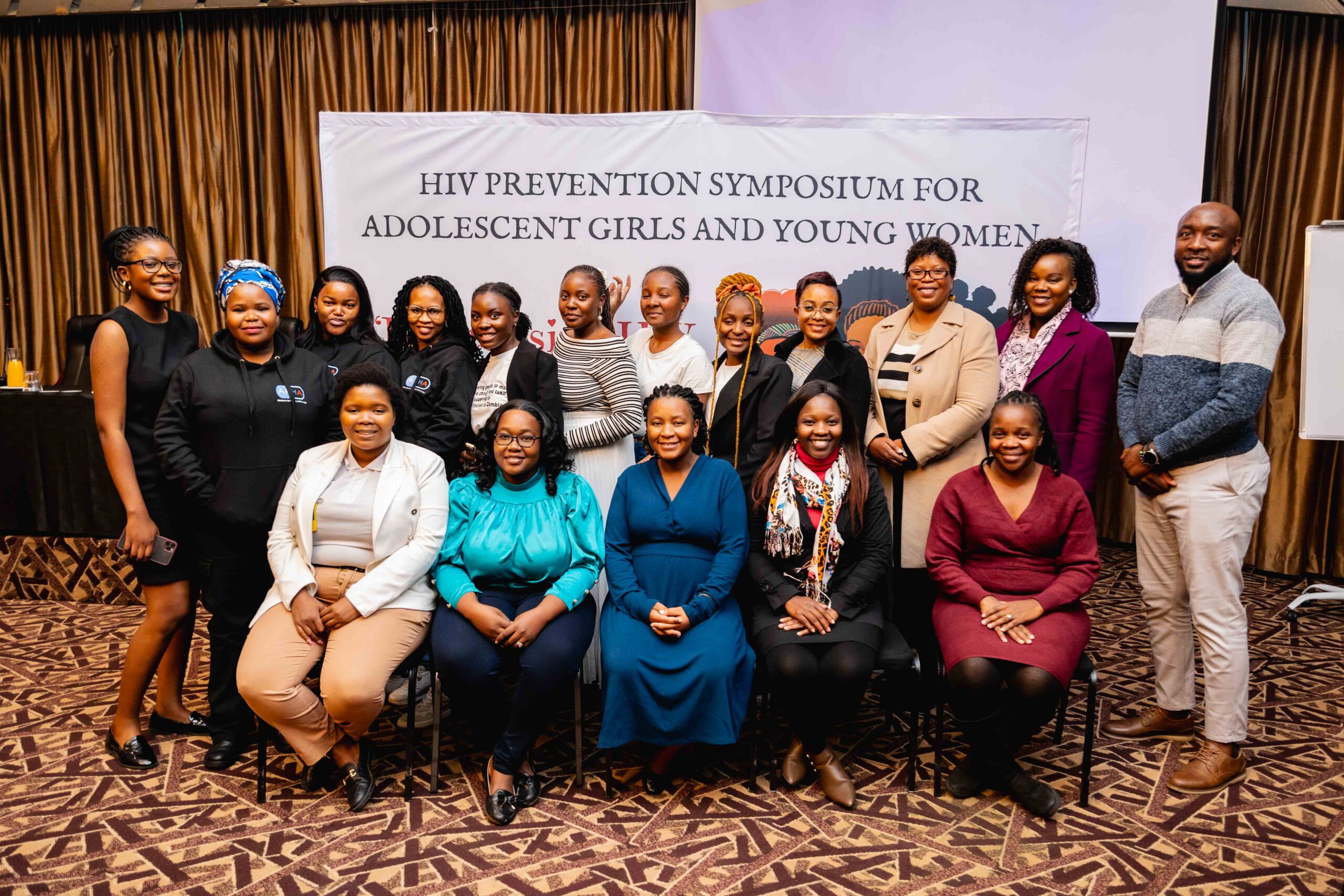
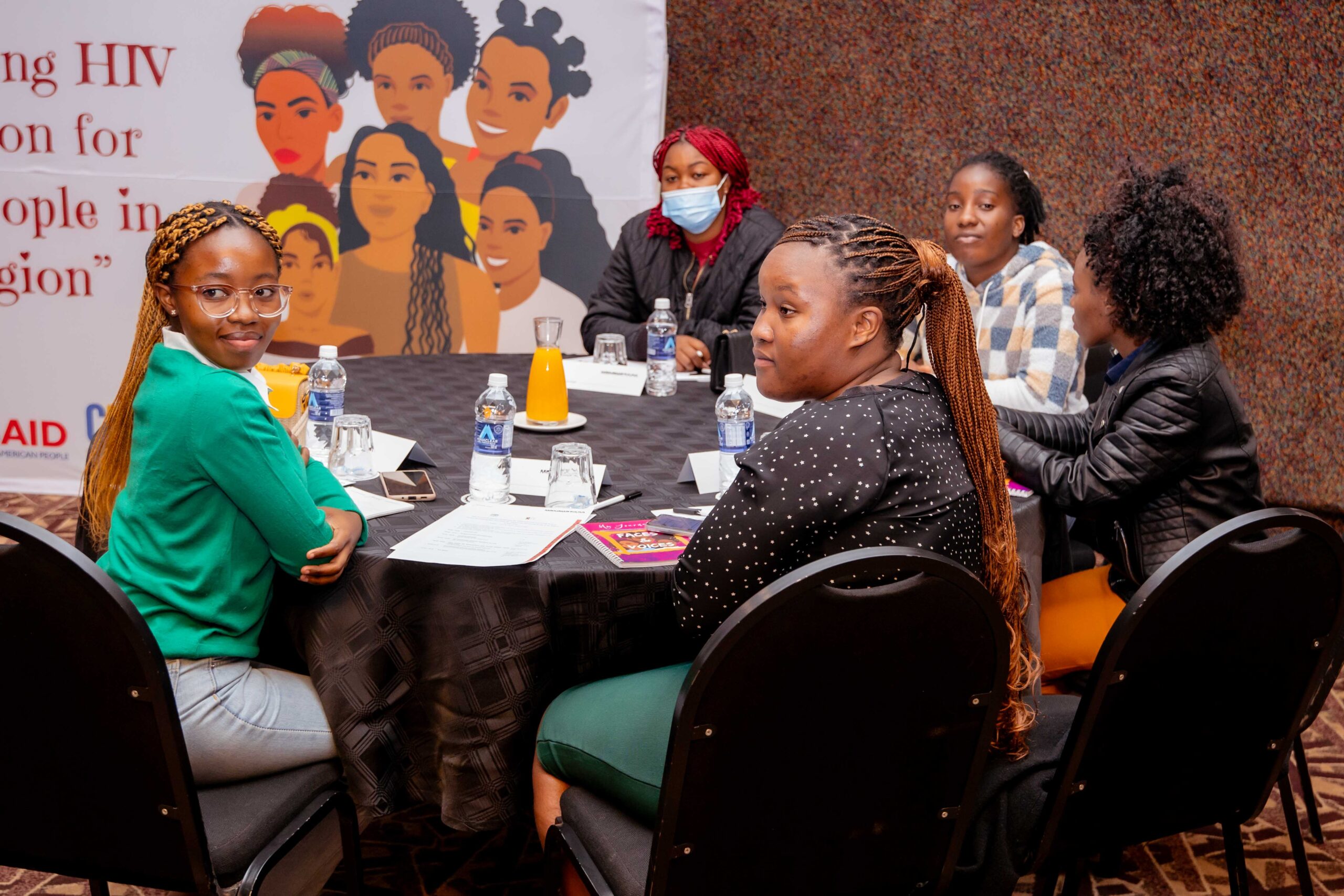
PZ in CASPR operated across three major pillars: advocacy and policy, research preparedness, and research translation. The scope includes advocacy for biomedical HIV prevention interventions and engaging stakeholders such as civil society organizations, government ministries, and educational institutions. Pangaea Zimbabwe (PZ) played a significant role, focusing on capacity building, advocacy, and HIV prevention service delivery for Adolescent Girls and Young Women (AGYW) and Pregnant and Lactating Populations (PLP).
Design: The CATALYST was an implementation research study conducted at PEPFAR-supported delivery sites. The study evaluated an enhanced PrEP service delivery package offering multiple biomedical HIV prevention options. Stage I focused on introducing oral PrEP and the PrEP ring, while collecting service delivery data to assess uptake and client experience. Stage II expanded method choice to include long-acting injectable CAB PrEP, further strengthening differentiated prevention options for women. Quality improvement methods are continuously applied to refine service delivery components and identify a core package that can be adapted for scale up.
Implementation Period: Five years
Geographical Areas:
- Masvingo Province
- Matabeleland South
- Harare, Chitungwiza
- Mashonaland Central
- Bulawayo
Target Population:
- Target Population
- Adolescent Girls and Young Women (AGYW)
- Pregnant and Lactating People (PLP)
- Civil Society Organizations (CSOs)
- Influencers of PLP, including mothers, partners, and community leaders
Results (include number of people reached, given services)
- HIV prevention champions referred 387 students to services, and 763 students were reached with HIV prevention information.
- Oral PrEP was made available at six of seven colleges.
- Reached 240 Pregnant and Lactating Populations (PLPs) with HIV prevention services, with 82 (36 Pregnant and 46 Lactating) initiated on Oral PrEP.
- Trained 117 mentor mothers across six National AIDS Council districts.
- Engaged 82 influencers of PLP (traditional leaders, community leaders) through literacy sessions
Community Health Milestone:
- Ministry of Health Endorses CASPR HIV Prevention Manual The Ministry of Health and Child Care (MoHCC) endorsed the HIV Prevention Manual for Pregnant and Lactating People, a significant milestone that allows the manual to be disseminated across communities. PZ facilitated a review, and stakeholder feedback from the Ministry, ensuring it becomes a trusted HIV prevention resource: HIV Prevention Manual.
- Training of Mentor Mothers: Six mentor mother trainings were held, ensuring mentor mothers can share information on HIV prevention products like Oral PrEP, Dapivirine rings, and injectables in their communities, empowering pregnant and lactating individuals to make informed decisions about their health.
- HIV Prevention Champions in Tertiary Institutions: HIV prevention champions became more visible through WhatsApp, face-to-face interactions, and Life Skills mass lectures. The inclusion of Adolescent Boys and Young Men (ABYM) in PrEP referrals has increased engagement in HIV prevention services in five college clinics.
MERL Workstream
Strengthened and expanded CASPR monitoring, evaluation, reporting, and learning (MERL) systems, building on performance management plans (PMP) revisions from Year 5; created a culture of collaboration, ownership, and use of MERL data for decision-making across the Coalition. The project aimed to strengthen and expand the Monitoring, Evaluation, Reporting, and Learning (MERL) systems of the CASPR initiative.
This was to build on the revisions made to the Performance Management Plan (PMP) during Year 5, ensuring that MERL systems are better aligned with the initiative’s evolving goals. The scope of work included enhancing data collection and reporting mechanisms, improving the quality and accessibility of performance data, and fostering a culture of collaboration and ownership within the Coalition. The project prioritized the integration of MERL data into decision-making processes, ensuring that insights gained were effectively used to inform strategic and operational decisions. This approach drove continuous learning, adaptive management, and greater accountability across the Coalition.
Results (include number of people reached, given services)
- The use of SPARC and COAT strengthened the capacity of partners to take the lead in identifying their outcomes. At coalition level, there was the documentation of coalition outcomes that linked with the objectives.
- These enabled the collective harvesting of outcomes from a Contribution instead of an Attribution perspective thus highlighting the change that these diverse partners brought about through their work.
- An improvement in focusing on outcomes was the use of the CASPR MERL Advocacy Handbook in their advocacy activities was observed: CASPR MERL Handbook.
- By demonstrating the positive impact of partners` collective efforts, MERL strengthened collaboration and cooperation among coalition partners
Stories of impact
- Better familiarity and utilization of CASPR MERL tools to identify, prioritize, and assess the quality of advocacy results.
- 100% completion of COATs demonstrated strengthened understanding of strategies leading to high impact, and the need to adjust those that contribute to meaningful results.
- Stronger SPARC stories enabled consistent CASPR Results Bulletins
- MERL handbook was appreciated for its simplified and useful content as observed in interactions among the participants themselves.
- Conversations around outcomes are more results focused.
- Strengthened commitment to sharing learning at international conferences eg, ICASA Best Oral Abstract, INTEREST in
person poster, AIDS 2024 E-Poster.
Resources: CASPR Resources