About CHIP Project

The Combination HIV Prevention (CHIP) project, implemented by Pangaea Zimbabwe and supported by ViiV Healthcare, aims to deliver comprehensive, youth-friendly HIV prevention and support services to adolescents and young people in all their diversity, including key populations. The project focuses on creating inclusive, accessible, and safe environments where young people can access both clinical and non-clinical services tailored to their needs to lead peer education, PrEP mobilization, and mental health support using the Friendship Bench model.
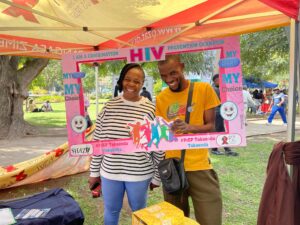
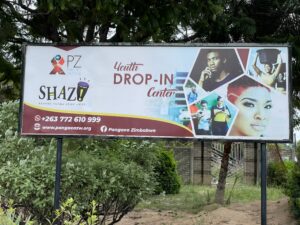
Through drop-in centers, the SHAZ! Hub, in Chitungwiza and a newly established one in Mazowe, CHIP provides integrated HIV prevention services such as HIV testing, PrEP, STI screening and treatment, family planning, and mental health support, The program also incorporates economic strengthening initiatives, peer-led PrEP literacy sessions, and recreational services to holistically address the health and well-being of priority populations, including adolescent girls and young women (AGYW), adolescent boys and young men (ABYM), men who have sex with men (MSM), female sex workers (FSW), young women who sell sex (YWSS), and transgender individuals.


  • HIV testing, STI screening and treatment, pregnancy testing, and counselling sessions
  • Provision of short- to medium-term contraception and treatment of minor ailments
  • Linkages to Population Services Zimbabwe for long-acting contraceptive methods (implants)
  • Provision of oral PrEP for HIV-negative adolescents and young people at high risk of infection
  • Access to voluntary medical male circumcision (VMMC) and Linkages to OI/ART clinics at CitiMed and
    Chitungwiza Hospital for clients living with HIV
  • Adherence and psychosocial support provided through counsellors and peer supporters in collaboration with Zvandiri 
  • Referrals for mental health support through Friendship Bench
  • Peer-led mentorship and life skills sessions promoting self-esteem and emotional wellbeing
  • Skills-building sessions such as making pine gel, dishwashing liquid, and other income-generating activities
  • Empowering adolescents and young people to enhance self-reliance and resilience

CHIP’s inclusive and data-informed approach was supported by collaboration with government stakeholders such as the Ministry of Health and Child Care, the National AIDS Council, and
community leaders. The project successfully launched new services, improved data collection systems, and strengthened partnerships.
Focus Area

The hubs, staffed by qualified nurses, counsellors, and peer champions, adopted a peer-to-peer approach to community mobilization, psychosocial support, PrEP demand creation, and improved uptake and continued use of HIV prevention methods. The project also strengthened healthcare workers' capacity to deliver quality youth- and key population-friendly services, enhanced HIV and SRHR knowledge, and promoted economic empowerment through income-generating skills training. Additionally, partnerships with community organizations facilitated referrals for long-acting family planning methods, antiretroviral therapy (ART) initiation, and voluntary medical male circumcision (VMMC), contributing to integrated and accessible healthcare services for young people. Through youth empowerment, peer leadership, and strategic partnerships, the CHIP project contributed meaningfully to national HIV prevention goals while ensuring that no young person is left behind.

  • K+

    Adolescents and Young People reached

  • K+

    AYP accessed HIV Testing services

  • K+

    accessed Family Planning services

  • AYP were screened for mental health

CHIP Resources can be found here: CHIP Resources